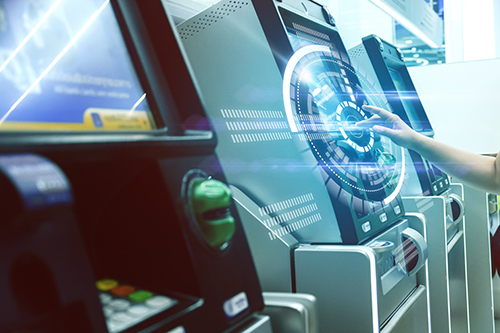
Financial technology decisions rarely affect just one machine or one branch. An ATM purchased today may remain part of a financial institution’s network for years, interacting with software platforms, security systems, service procedures, branding standards, and customer expectations. That makes ATM planning a long-term operational decision rather than a simple equipment purchase.
A forward-thinking ATM company in NJ should help financial institutions look beyond the immediate installation. The right provider considers how each machine fits into the larger technology environment, what the branch may need in the future, and how the institution can avoid unnecessary complications as its network grows.
Every ATM Becomes Part of a Larger System
One machine may seem easy to manage. Problems often begin as financial institutions add locations, replace older units, acquire branches, or introduce new transaction options.

Without a coordinated plan, an ATM fleet can gradually become a collection of unrelated machines from different generations. Each model may require separate parts, software knowledge, maintenance procedures, or employee instructions. Over time, that lack of consistency can make routine management more difficult.
An experienced ATM company in NJ can help a financial institution develop a more organized equipment strategy. Rather than viewing each purchase as an isolated event, the provider can evaluate how the machine will fit with the rest of the fleet.
Standardization does not mean every branch must use an identical ATM. A walk-up location, drive-up lane, and busy lobby may require different configurations. However, selecting machines from compatible product families can simplify training, service, software management, and future upgrades.
Branch Traffic Should Influence Equipment Decisions
Not every location serves customers in the same way. A neighborhood branch may experience predictable activity during business hours, while an ATM near a commuter route could see significant use early in the morning or late at night. Another location may process more deposits than withdrawals.
Choosing equipment without studying those differences can lead to poor results. A machine may lack the capacity required for a busy site or include features that customers rarely use. Placement can also affect accessibility, visibility, security, and the overall customer experience.
A knowledgeable ATM company in NJ can help financial institutions examine how people actually use each location. Transaction volume, peak periods, available space, traffic flow, and future branch plans should all contribute to the recommendation.
That process turns ATM selection into a strategic decision. The goal is not simply to install a machine that works today. It is to choose technology that can continue supporting the location as customer habits and service models evolve.
Planning Ahead Can Reduce Disruptive Replacements
Waiting until an ATM becomes unreliable or outdated can put a financial institution in a difficult position. Replacement decisions made under pressure often leave little time to compare configurations, prepare the site, coordinate software requirements, or communicate changes to employees.
A better strategy involves reviewing the fleet before problems become urgent. Financial institutions can identify which machines may require replacement first, establish priorities, and spread investments across a practical timeline.
This type of lifecycle planning can also help branches coordinate equipment changes with renovations, drive-through improvements, software conversions, or broader modernization projects. Completing related work together may reduce repeated disruptions and prevent one upgrade from interfering with another.
RMC ATM Solutions can help financial institutions view upcoming needs as part of an organized roadmap. A carefully planned schedule gives decision-makers more control over budgeting, implementation, and branch preparation.
Growth Makes Consistency Even More Valuable
Expansion can expose weaknesses in an unorganized ATM strategy. A financial institution opening a new branch must decide whether to duplicate an existing setup, introduce a newer platform, or redesign the customer experience entirely.
Acquisitions create another challenge. Newly added locations may bring machines, service arrangements, and operational procedures that differ from the rest of the institution. Keeping every existing system may appear easier at first, but the resulting complexity can become expensive and frustrating.
An ATM company in NJ with long-term planning experience can help evaluate those differences. Some machines may remain useful, while others may make more sense to replace or phase out. The objective should be a manageable transition rather than immediate change without a clear reason.
Consistency becomes increasingly valuable as the network expands. Employees can become familiar with common equipment, service teams can prepare for a narrower range of issues, and leadership gains a clearer understanding of the technology deployed across the institution.
Future Flexibility Begins Today
Banking technology continues to evolve, but financial institutions do not need to predict every future development. They do need to avoid decisions that unnecessarily limit their options.
Equipment selection should account for available upgrades, changing transaction demands, software compatibility, accessibility expectations, and the possibility of introducing additional self-service or assisted-service technology. Site preparation also matters. A branch designed around only one specific machine may require expensive alterations when the time comes to replace it.
Thoughtful planning creates room to adapt. It allows financial institutions to respond to customer expectations without rebuilding their technology strategy every few years.
RMC ATM Solutions is a Dependable ATM Company in NJ

A dependable ATM company in NJ should provide more than a product recommendation. It should help financial institutions understand how equipment decisions affect daily operations, future growth, maintenance planning, and the overall customer experience.
RMC ATM Solutions works with community financial institutions to develop technology solutions around their individual locations and long-term goals. By considering the complete ATM fleet rather than one purchase at a time, RMC helps clients build a more consistent and manageable technology environment.
The best time to plan the next five years is before the next machine needs to be replaced. With the right strategy and an experienced technology partner, financial institutions can make each ATM investment support a larger vision for efficient, reliable, and adaptable banking service.